Most ventilation systems are designed to work. Airflow rates are calculated, ductwork is sized correctly, and on drawings everything aligns with the brief.
And yet issues still show up on site. Not at plant level or within the main duct runs, but at the final point in the system, the terminal.
Noise. Poor air distribution. Spaces that don’t behave as intended.
These are often treated as commissioning problems. In reality, they’re usually the result of decisions made much earlier in the design process. What appears at commissioning stage is the outcome of performance risk that has already been built into the system.
Where system behaviour actually changes
Terminal devices are often treated as a finishing selection, something considered once the main engineering is complete.
In reality, they define how the system behaves in the space.
The airflow rate may be correct on paper, but the way that air enters the room depends on the terminal. Free area, discharge pattern and plenum design all influence how those calculations translate into real conditions.
Reduce free area, even slightly, and face velocity increases. The airflow volume hasn’t changed, but its behaviour has. That shift may not stand out on a drawing, but it becomes obvious in the space through noise, draughts or poor mixing.
This is where commissioning risk begins to take shape. The design may still appear compliant, but the conditions required to achieve it have already shifted.
How risk is introduced into the system
Issues at terminal level rarely come from a single decision. They tend to build gradually as the design develops.
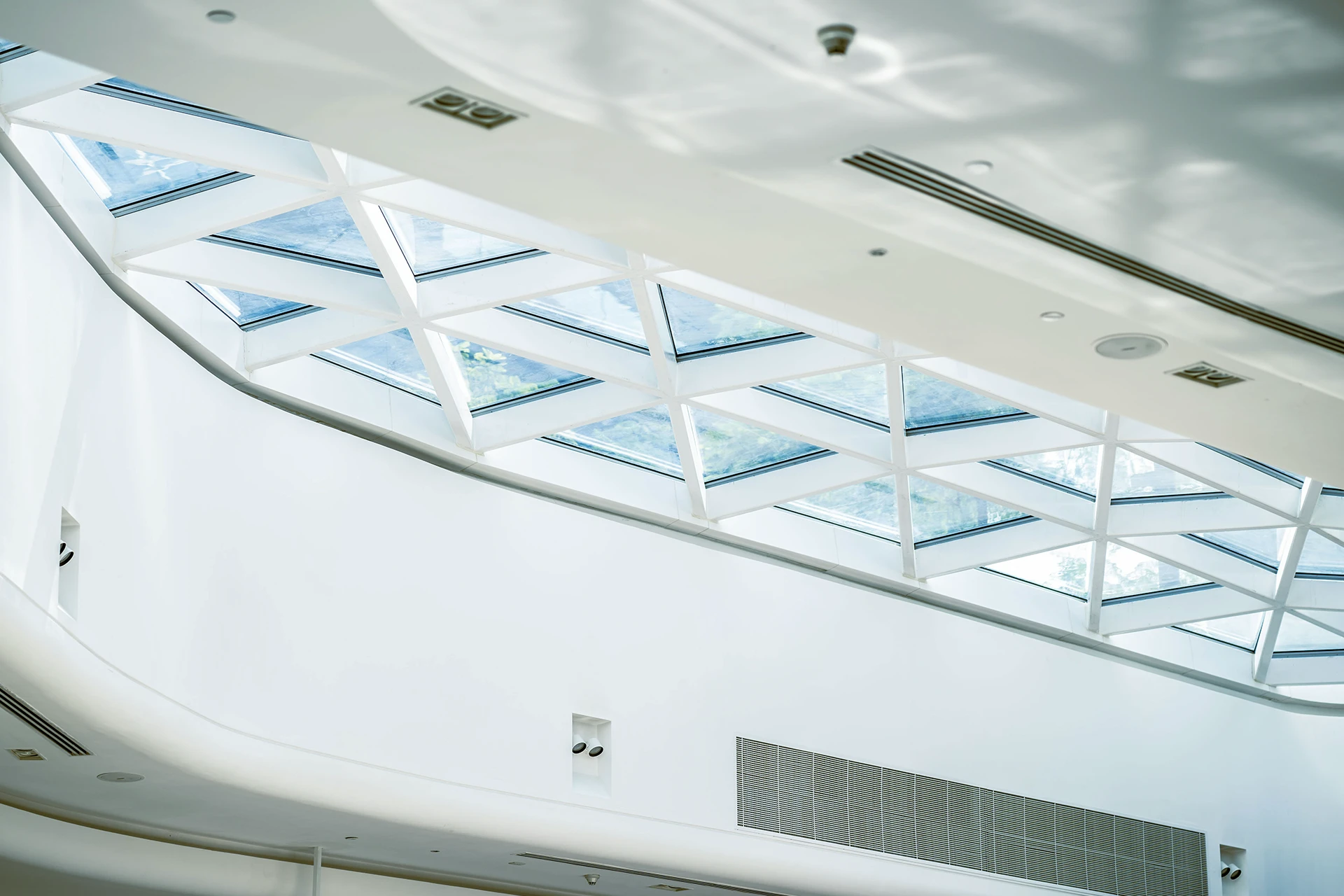
A grille may be selected with appearance as the primary driver, without full consideration of performance. A plenum could be adjusted to suit ceiling constraints without fully reassessing how it will perform with the grille or diffuser.
Each of these decisions can make sense in isolation. Together, they begin to move the system away from the conditions it was originally calculated for.
Airflow becomes less stable. Discharge patterns change. Velocity increases where it wasn’t intended, and acoustic issues follow.
At this stage, the design can still look acceptable in a submission. The risk is that what works on paper doesn’t behave the same way on site. That gap is often only identified during commissioning, when options are limited and programme pressure is highest.
For installation teams, this is where the issue becomes visible. Airflow won’t stabilise, balancing becomes difficult, and time is spent trying to correct something that is already built into the selection.
What helps projects stay on track
Projects that commission cleanly tend to treat terminal selection as part of the system design, not something applied at the end.
Performance is considered in the context of the space, not just the schedule.
Terminal devices are assessed alongside the plenum as a coordinated assembly, so airflow and acoustic behaviour are aligned before manufacture.
At that stage, adjustments are straightforward. Left later, they become constraints that affect both programme and performance.
Having access to clear, product-specific performance data makes a measurable difference here. Airflow rates, free area and pressure characteristics can be checked before selections are finalised, allowing decisions to be validated rather than assumed.
Designing for real performance
Air distribution isn’t proven on drawings. It’s proven in the space, during commissioning, when the system is required to behave as intended.
That’s why we’re often involved before designs are finalised, reviewing terminal selections against airflow, free area and performance criteria. It allows potential commissioning issues to be identified while there’s still flexibility to resolve them, rather than trying to manage the consequences on site.
If you’re working through a scheme and want a second look, we can review terminal selections against the design airflow and highlight where performance may shift. It’s a straightforward check that helps avoid delays later in the programme.
For teams earlier in the process, our CPD sessions cover how terminal performance influences airflow, acoustics and compliance in more detail, and we’ve put together technical guides that break down free area, discharge patterns and plenum design in practical terms.
If you have a live project, send it through and we’ll take a look. If you’re building out future designs, our resources are a good place to start.